Call 801-233-1564
Serving Salt Lake • Ogden • Provo • Park City
Licensed Contractor
The right pipe clog remover can clear most household drain blockages fast — without calling a plumber. Here are your best options at a glance:
| Method | Best For | Time to Work |
|---|---|---|
| Chemical gel cleaner | Hair, soap scum, grease | 15–120 minutes |
| Enzymatic cleaner | Monthly maintenance, light buildup | Overnight |
| Plunger | Soft, localized clogs | Minutes |
| Drain snake / auger | Deep or stubborn clogs | 10–30 minutes |
| Baking soda + vinegar | Mild clogs, odor | 5–10 minutes |
| Water jet tool | Chemical-free deep clogs | Minutes |
That slow drain in your shower probably started small. A little hair here, some soap scum there. Then one day you're standing in an inch of water wondering what happened.
Clogged pipes are one of the most common home headaches — and one of the most annoying. Slow drains can lead to standing water, bad smells, and even water damage if left too long.
The good news? Most clogs can be cleared at home with the right tool or product. This guide walks you through exactly how to do that safely and effectively.
At iRepair Heating and Air, we've seen every kind of drain blockage — from hair-packed shower drains to full main line backups — and we know which pipe clog remover methods actually work and when it's time to call in backup. Let's get into it.
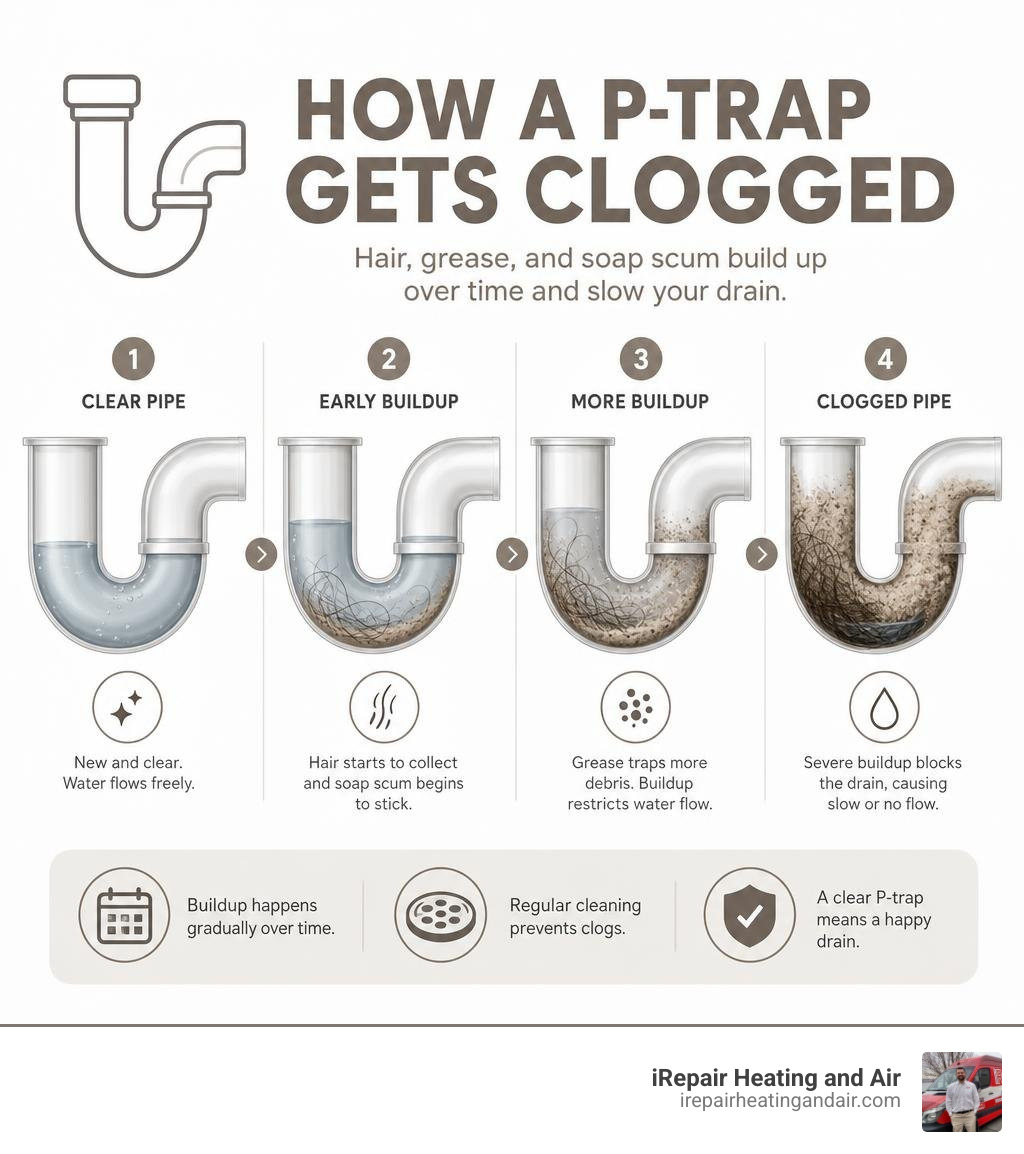
Before you grab a pipe clog remover, it helps to understand what you are actually fighting. Different blockages happen in different parts of your home, and they all require a slightly different approach.
Here is a breakdown of the usual suspects lurking in your pipes:
Understanding these culprits is key to choosing the right treatment. For a deeper dive into how these blockages develop and how professional diagnostic tools locate them, check out our guide on Everything You Need to Know About Drain and Sewer Cleaning.
When you stand in the plumbing aisle of your local hardware store, the sheer number of options can feel overwhelming. To help you navigate, we have broken down the main categories of clog removers:
| Type | How It Works | Best Used For | Pipe Safety |
|---|---|---|---|
| Chemical (Caustic/Acid) | Generates heat or chemical reactions to melt organic matter | Hair, grease, soap scum | Risky for old metal or thin plastic pipes |
| Enzymatic (Natural) | Uses live bacteria/enzymes to digest organic buildup | Prevention, slow drains, septic systems | 100% safe for all pipes |
| Mechanical (Tools) | Physically grabs, breaks up, or blasts the clog | Solid blockages, deep clogs, foreign objects | Safe if used gently |
When selecting a product, always check its compatibility with your home's specific plumbing. For instance, older homes in Salt Lake City and Ogden often feature delicate cast iron or copper pipes that can be easily damaged by harsh chemical reactions.
If you are dealing with a localized clog in a single fixture, a targeted DIY approach is usually best. However, if multiple drains are backing up at once, the issue is likely deeper in your main system. You can learn more about managing these complex issues in The Ultimate Guide to Cleaning a Blocked Drain Line.
If you choose to use a liquid or crystal pour-in product, you will generally be choosing between heavy-duty chemicals and natural, eco-friendly alternatives.
Most traditional chemical drain cleaners fall into two categories:
Because they work through standing water, heavy gels like the Commercial Line 128 fl. oz. Max Gel Clog Remover are highly popular. In fact, the Drano Commercial Line Max Gel has 2,182 customer reviews with a 3.7 rating, while the Liquid-Plumr 80 oz. Pro Strength Full Clog Destroyer has 2,476 reviews with a 4.3 rating, showing how common these quick-fix chemical solutions are.
However, these chemicals carry risks. They generate intense heat that can soften PVC pipes or corrode older metal plumbing. Furthermore, they are highly toxic to the environment and can ruin the finish on your bathroom fixtures if spilled.
If you prefer to avoid harsh chemicals, you have excellent options:
Sometimes, the best pipe clog remover isn't a liquid at all—it's a tool. Mechanical tools physically remove the blockage rather than dissolving it, which is safer for your pipes and better for the environment.
For larger main-line blockages, professional plumbers use heavy-duty hydro-jetting machines. To see how these high-pressure systems clear out years of scale and debris, read about How Drain Jetting Services Can Save Your Pipes. If you are curious about the financial side of these different methods, we break down the details in our guide on The Real Cost to Clear a Blocked Drain.
Ready to tackle that stubborn clog? Follow these steps to clear your drain safely and effectively without damaging your plumbing.
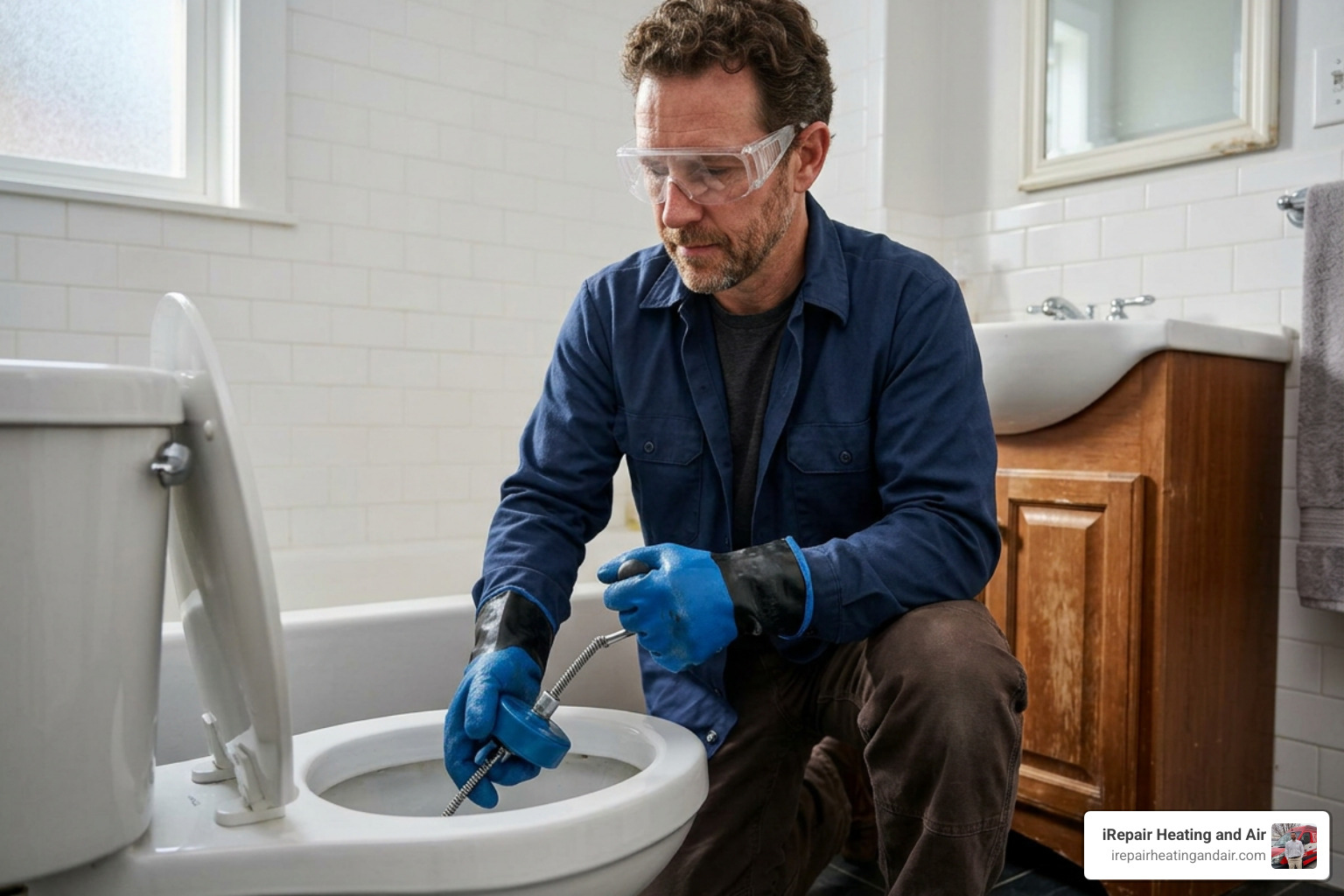
Before doing anything, protect yourself. Wear thick rubber gloves and safety goggles. If you are using any chemical products, ensure your space is well-ventilated by turning on the bathroom fan or opening a window.
Before pouring anything down the drain, see if you can pull the clog out. Remove the drain stopper and insert a plastic drain snake or wire hanger. Gently wiggle it down the pipe, twist, and pull back. You might be surprised (and slightly grossed out) by the amount of hair you can pull out immediately!
If the snake didn't clear it, apply your chemical or natural remover:
After letting your remover sit, flush the drain thoroughly. For metal or PVC pipes, pour a kettle of hot water down the drain to wash away the loosened debris.
Safety Note: Never mix different chemical drain cleaners! Mixing acid-based and base-based cleaners can cause violent chemical reactions, release toxic gas, or even rupture your pipes. If one product does not work, wait at least 72 hours and flush the line thoroughly with water before trying another. For a list of safe and reliable products, check out our review of the Top 5 Drain Cleaners to Save Your Sewer Line.
In general, most heavy chemical drain cleaners are not ideal for septic systems. Septic tanks rely on active, beneficial bacteria to break down waste. Harsh chemicals like sodium hydroxide or sulfuric acid can kill these bacteria, leading to system backups.
If you are on a septic system, look for biodegradable, enzyme-based formulas. While some commercial products like the Commercial Line 128 fl. oz. Max Gel Clog Remover are rated as safe for septic systems when used occasionally, natural enzyme treatments are always the safest bet for long-term septic health.
We recommend using a preventative maintenance treatment once every 30 days. Rather than using harsh chemicals monthly, opt for an enzyme-based build-up remover like Drano® Max Build-Up Remover.
These products use natural bacteria to gently digest organic grease and soap scum before they can form a solid clog. Combined with simple habits—like using mesh drain strainers and never pouring kitchen grease down the sink—monthly enzyme treatments will keep your plumbing running smoothly year-round.
While a DIY pipe clog remover is great for minor bathroom blockages, some situations require professional tools and expertise. You should call a plumber immediately if:
Attempting to clear severe main-line blockages with DIY tools can permanently damage your pipes. To understand why professional solutions are often the safest and most cost-effective choice, read our article on Why DIY Fails and Professional Drain Cleaning Provo Wins.
For residents in specific Utah communities, we also provide tailored local advice. If you live in Park City, check out The Essential Park City Condo Drain Service Guide and learn Why Your Pipes Need a Park City Drain Cleaning Service. If you manage a commercial property along the Wasatch Front, keep your system running smoothly with our guide on how to Keep Your Business Out of the Gutter with Commercial Drain Services.
Dealing with standing water in your shower or sink is never fun, but with the right pipe clog remover and a little patience, you can clear most minor clogs on your own. By matching the right method to your specific clog type—and putting safety first—you can keep your home’s plumbing flowing freely.
However, when a stubborn clog refuses to budge, or if you are facing a major main-line backup, DIY methods can sometimes do more harm than good. That is where we come in.
At iRepair Heating and Air, we provide fast, reliable, and fairly priced plumbing and drain services across the Wasatch Front. Whether you need emergency drain cleaning in Salt Lake City, Ogden, Provo, Park City, or right here in Sandy, UT, our family-owned team is ready to help with same-day emergency service.
Don't let a bad clog ruin your week. If you need professional help to clear your pipes safely and permanently, check out our Ultimate Guide to Blocked Drain Experts and schedule your service with us today!
